



Apa yang Kami Sajikan untuk Industri

BACA SELENGKAPNYA
JiangSu ElephChem Holding Limitedadalah pakar pasar mapan dalam Polivinil Alkohol (PVA) dan Emulsi Kopolimer Vinil Asetat–etilen (VAE) dengan pengakuan kuat dan fasilitas pabrik luar biasa berstandar internasional.

Produk Panas

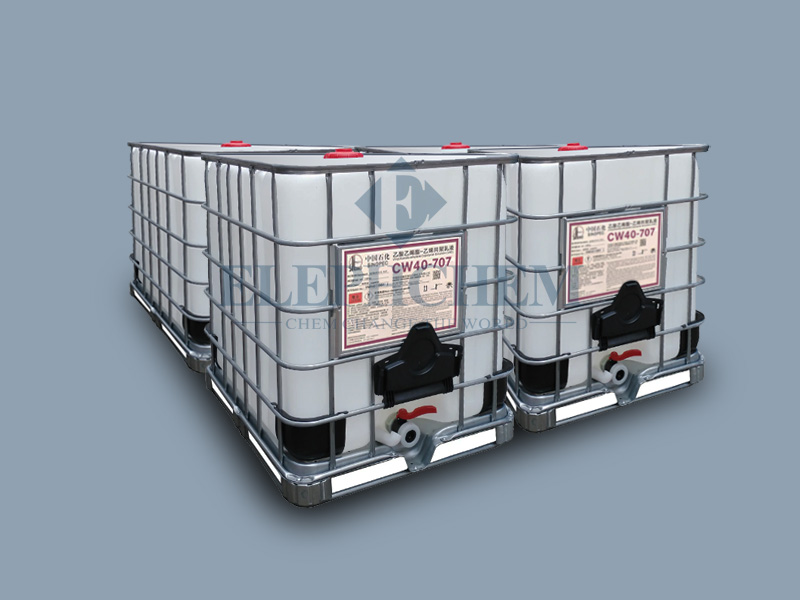
  • Emulsi VAE (Emulsi kopolimer vinil asetat-etilena)

    Sifat umumNama Produk: Emulsi Kopolimer Vinil Asetat EtilenNama lain:Emulsi kopolimer vinil asetat-etilena, emulsi VAE, dispersi VAE, emulsi kopolimer etilena-vinil asetat, emulsi EVA, dispersi kopolimer etilena-vinil asetat, dispersi EVA.Penampilan: Emulsi VAE berwarna putih susu atau kekuningan. Ringkasan ProdukNilaiKandungan padat (%)Viskositas (mpa.S/25℃)PHVAC(%)Etilen (%)Transisi kaca (Tg/℃)Suhu pembentukan film minimumCW 40-600≥60,0900-20004.0-6.5≤0,3016.0-20.0-1~1<0CW 40-602≥60,02500~40004.0-6.5≤0,3016.0-20.01~3<0CW 40-705≥54,51500~22004.0-6.5≤0,2015.0-19.01~3<0CW 40-707≥54,5500~10004.0-6.5≤0,2015.0-19.03~5≤1CW 40-707H≥54,51000~15004.0-6.5≤0,2015.0-19.0-≤1CW 40-716≥54,53300~45004.0-6.5≤0,2015.0-19.01~3<0CW 40-718≥55500~15004.0-6.5≤0,2018.0-22.0-6~-3<0CW 40-756≥54,54500~60004.0-6.5≤0,2018.0-22.0-5~-3<0CW 40-758≥54,5Tahun 2000–40004.0-6.5≤0,105.0-11.019~21≥7CW 40-905≥54,51500~25004.0-6.5≤0,2015.0-19.01~3<0CW 40-906≥54,53000~38004.0-6.5≤0,2015.0-19.01~3<0CW 40-907≥54,5500~10004.0-6.5≤0,2015.0-19.03~5≤1CW 40-916≥54,53300~45004.0-6.5≤0,2015.0-19.03~5<0CW 40-93756,5-58,53500~45003.5-4.4≤0,1018,5-20,5-4~-2≤1CW 40-960≥60,0500~20004.0-6.5≤0,3016.0-20.01~3<0CW FS-Ⅰ≥54,5600~12004.0-6.5≤0,1015.0-19.0-1~2≤1CW FS-Ⅱ≥54,5500~13004.0-6.5≤0,1015.0-19.0-1~2≤1CW FS-Ⅳ≥54,5900~20004.0-6.5≤0,1015.0-19.0-1~2≤1CW JF-Ⅰ≥54,5800~15004.0-6.0≤0,2011.0-13.0-≤2CW FH-Ⅰ≥54,53300-38004.0-6.5≤0,2015.0-19.0-2~1<0CW FH-Ⅱ≥55,05500-85004.0-6.5≤0,2015.0-19.02~1<0CW FH-Ⅲ≥60,03000-50004.0-6.0≤0,3015.0-19.0-1~3≥2CW JZ-Ⅰ≥54,5500~10004.0-5.5

  • Resin polivinil butiral (PVB)

    Sifat umumLapisan film resin polivinil butiral (PVB) memiliki ketahanan air, ketahanan alkali, dan ketahanan minyak yang baik (tahan terhadap minyak alifatik, mineral, hewani, dan nabati, tetapi tidak tahan terhadap minyak kasar). Karena PVB mengandung hidroksil yang tinggi, ia merupakan basa dan memiliki dispersi pigmen yang baik, sehingga banyak digunakan dalam tinta cetak dan pelapis. Selain itu, struktur kimianya juga mengandung gugus asetal hidrofobik dan gugus asetat serta gugus hidroksil hidrofilik, sehingga PVB kompatibel dengan kaca, logam, plastik, kulit, dan kayu serta memiliki daya rekat yang baik. Nama Produk: Resin polivinil butiralCAS:63148-65-2Resin polivinil butiral (PVB) memiliki tampilan berupa partikel atau bubuk bulat berpori berwarna putih, dan berat jenisnya adalah 1:1; namun kepadatan pengisinya hanya 0,20~0,35 g/ml.AplikasiPVB banyak digunakan dalam lapisan perekat kaca pengaman, cat dasar anti karat, cat oven, cat kayu, tinta cetak, keramik elektronik dan perekat papan sirkuit tercetak, perekat logam-ke-logam, perekat logam-ke-plastik, pengubah perekat leleh panas, pemrosesan tahan air berdimensi besi tekstil, dll. Aplikasi baru di berbagai industri terus dikembangkan.PenyimpananPVB harus disimpan di tempat yang kering dan sejuk serta menghindari sinar matahari langsung, dan PVB harus disimpan untuk menghindari tekanan yang berlebihan. Selama PVB tidak bersentuhan langsung dengan air, PVB dapat disimpan selama dua tahun tanpa memengaruhi kualitasnya.Data TeknisBarangSD-1SD-2SD-3SD-4SD-5SD-6SD-7PenampilanBubuk putihViskositas/mPa·s 5~1011~2021~3031~6061~100>100Asetal/%68~8868~8868~8868~8868~8868~8868~88Nilai asam/(mg KOH/g)≤4.0422111Abu/%≤0,100.10,080,080.10.10.1Kandungan Volatil/%≤3.0333333Polivinil butanol berdasarkan massa/%≥98,0989898989898  

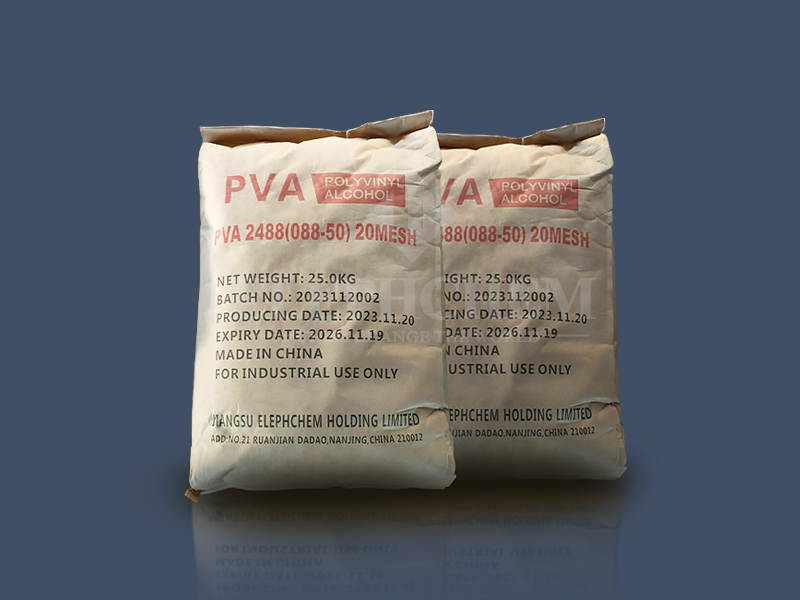
  • PVA 088-50 & PVA 2488

    Sifat umum:Sinonim:PVA 2488 & PVA 088-50Nomor CAS:9002-89-5Rumus Molekul:(C2H4O)nTitik nyala:79℃Kelarutan dalam air: Larut dalam air panas  Data TeknisJudul Standar Baru088-50TuaJudul Standar24-88Hidrolisis (mol/%)86,5~88,5Viskositas (mPa.s)45,0~55,0Volatil (wt%)≤5Abu (berat%)≤0,3PH5-7Kemurnian (wt%)≥93,5 Aplikasi1. Bahan pengikat untuk kertas;2. Industri dekorasi bangunan: pelapis dinding interior dan eksterior, perekat;3. Industri kimia: pengemulsi polimer, pendispersi;4. Industri kertas: perekat kertas; PaketKemasan: 20 kg/karung, 25 kg/karung, 800 kg/karung. PenyimpananDi ruangan yang kering dan berventilasi baik, dengan suhu ruangan sekitar 5-30°C.Jauhkan dari sumber panas, jauhkan dari kelembapan, dan hindari paparan sinar matahari.Dilarang keras menyimpan produk ini bersamaan dengan bahan kimia yang mudah menguap untuk mencegah penyerapan dan kerusakan.

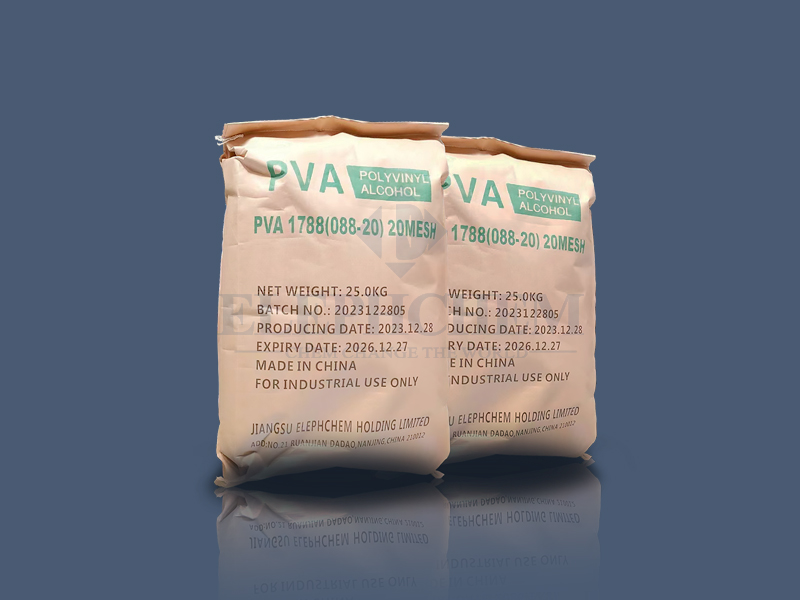
  • PVA 088-20 & PVA 1788

    Sifat umumNama Kimia: Polivinil Alkohol Sinonim:PVANomor CAS:9002-89-5Rumus Molekul:(C2H4O)nTitik nyala:79℃Kelarutan dalam air: Larut dalam air panas Data TeknisJudul Standar Baru088-20TuaJudul Standar17-88Hidrolisis (mol/%)86,5~88,5Viskositas (mPa.s)21,5~24,5Volatil (wt%)≤5Abu (berat%)≤0,4Metanol(berat%) pH5-7Kemurnian (wt%)≥93,5 Aplikasi1. Industri tekstil: pengukuran tekstil, bahan finishing kain, pengolahan serat;2. Industri kimia: pengemulsi polimer, pendispersi, dan polivinil formaldehida;3. Pertanian: bahan perbaikan tanah, sinergis peningkat daya rekat pestisida, dan film polivinil alkohol;4. Film Fotografi: lem peka cahaya;5. Bahan ini juga dapat digunakan dalam pengobatan sehari-hari atau kosmetik. PaketKemasan: 20 kg/karung, 25 kg/karung. PenyimpananDi ruangan yang kering dan berventilasi baik, dengan suhu ruangan sekitar 5-30°C.Jauhkan dari sumber panas, jauhkan dari kelembapan, dan hindari paparan sinar matahari.Dilarang keras menyimpan produk ini bersamaan dengan bahan kimia yang mudah menguap untuk mencegah penyerapan dan kerusakan.

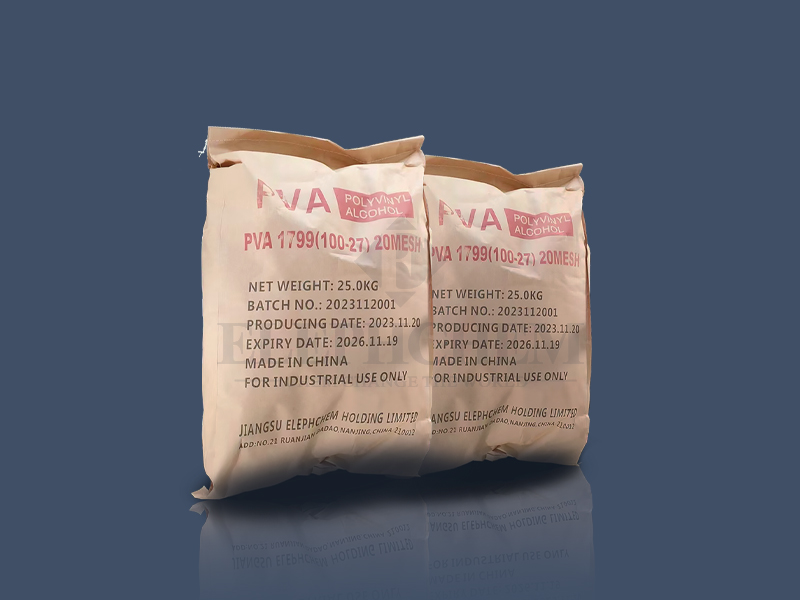
  • PVA 100-27 & PVA 1799

    Sifat umumNama Kimia:Polivinil AlkoholSinonim:PVANomor CAS:9002-89-5Rumus Molekul:(C2H4O)nTitik nyala:79℃Kelarutan dalam air: Larut dalam air panas Data TeknisJudul Standar Baru100-27TuaJudul Standar17-99Hidrolisis (mol/%)99,0~100,0Viskositas (mPa.s)23.0~29.0Volatil (wt%)≤5Abu (berat%)≤0,5pH5-7Kemurnian (wt%)≥93,5 Aplikasi:1. Industri tekstil: pasta tekstil, bahan finishing kain, bahan baku serat vinilon;2. Industri dekorasi bangunan: pelapis dinding interior dan eksterior, perekat;3. Industri kimia: pengemulsi polimer, pendispersi dan polivinil formaldehida, asetal, resin butiral;4. Industri kertas: perekat kertas;5. Pertanian: bahan perbaikan tanah, sinergis peningkat daya rekat pestisida, dan film polivinil alkohol;6. Ini juga dapat digunakan dalam kehidupan sehari-hari.obat-obatan dan kosmetik. Paket:Kemasan: 20 kg/karung, 25 kg/karung. Penyimpanan:Di ruangan yang kering dan berventilasi baik, dengan suhu ruangan sekitar 5-30°C.Jauhkan dari sumber panas, jauhkan dari kelembapan, dan hindari paparan sinar matahari.Dilarang keras menyimpan produk ini bersamaan dengan bahan kimia yang mudah menguap untuk mencegah penyerapan dan kerusakan. 

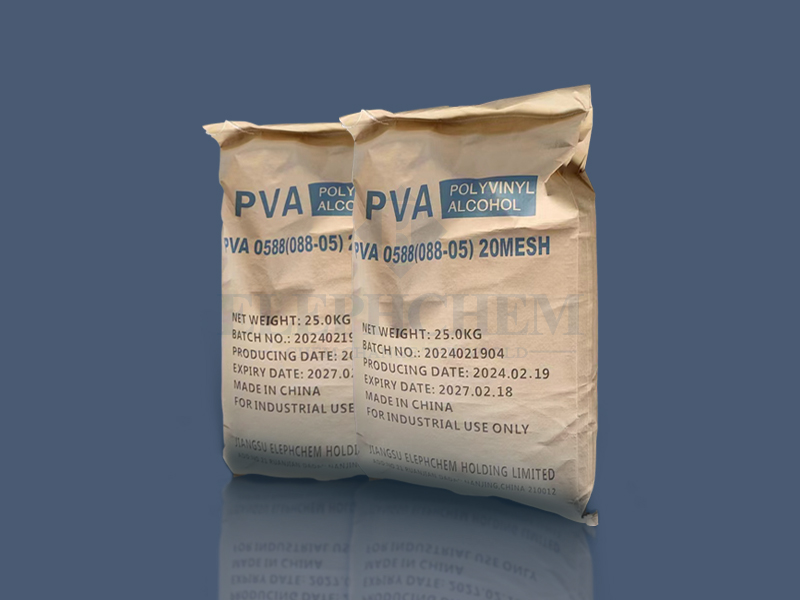
  • PVA 088-05 & PVA 0588

    Sifat umumNama Kimia:Polivinil AlkoholSinonim:PVANomor CAS:9002-89-5Rumus Molekul:(C2H4O)nTitik nyala:79℃Kelarutan dalam air: Larut dalam air panas Data TeknisJudul Standar Baru088-05Tua Standar Judul05-88Hidrolisis (mol/%))86,5~88,5Viskositas (mPa.s)4,5~6,0Volatil (wt%)≤5Abu (berat%)≤0,5pH5-7Kemurnian (wt%)≥93,5 Aplikasi:1. Industri tekstil: pasta tekstil, bahan finishing kain, bahan baku serat vinilon;2. Industri dekorasi bangunan: pelapis dinding interior dan eksterior, perekat;3. Industri kimia: pengemulsi polimer, pendispersi dan polivinil formaldehida, asetal, resin butiral;4. Industri kertas: perekat kertas;5. Pertanian: bahan perbaikan tanah, sinergis peningkat daya rekat pestisida, dan film polivinil alkohol;6. Ini juga dapat digunakan dalam kehidupan sehari-hari.obat-obatan dan kosmetik. PaketKemasan: 20 kg/karung, 25 kg/karung. Penyimpanan:Di ruangan yang kering dan berventilasi baik, dengan suhu ruangan sekitar 5-30°C.Jauhkan dari sumber panas, jauhkan dari kelembapan, dan hindari paparan sinar matahari.Dilarang keras menyimpan produk ini bersamaan dengan bahan kimia yang mudah menguap untuk mencegah penyerapan dan kerusakan. 

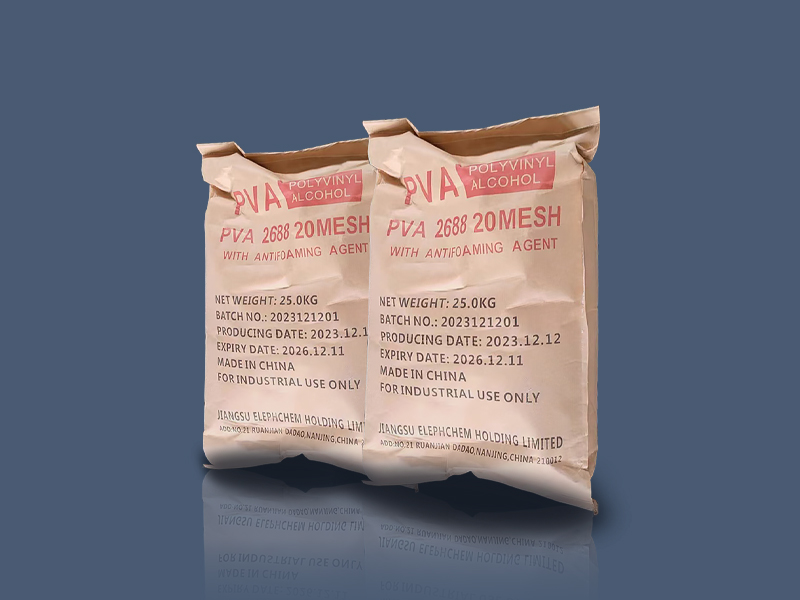
  • PVA 088-60 & PVA 2688

    Sifat umumNama Kimia:Polivinil AlkoholSinonim:PVANomor CAS:9002-89-5Rumus Molekul:(C2H4O)nTitik nyala:79℃Kelarutan dalam air: Larut dalam air panas Data Teknis:Judul Standar Baru088-60TuaJudul Standar26-88Hidrolisis (mol/%)86.0~87.0Viskositas (mPa.s)50,0~58,0Volatil (wt%)≤5Abu (berat%)≤0,7pH5-7Kemurnian (wt%)≥93,5 Aplikasi:1. Industri tekstil: pasta tekstil, bahan finishing kain, bahan baku serat vinilon;2. Industri dekorasi bangunan: pelapis dinding interior dan eksterior, perekat;3. Industri kimia: pengemulsi polimer, pendispersi dan polivinil formaldehida, asetal, resin butiral;4. Industri kertas: perekat kertas;5. Pertanian: bahan perbaikan tanah, sinergis peningkat daya rekat pestisida, dan film polivinil alkohol;6. Ini juga dapat digunakan dalam kehidupan sehari-hari.obat-obatan dan kosmetik. Paket:Kemasan: 20 kg/karung, 25 kg/karung. Penyimpanan:Di ruangan yang kering dan berventilasi baik, dengan suhu ruangan sekitar 5-30°C.Jauhkan dari sumber panas, jauhkan dari kelembapan, dan hindari paparan sinar matahari.Dilarang keras menyimpan produk ini bersamaan dengan bahan kimia yang mudah menguap untuk mencegah penyerapan dan kerusakan. 

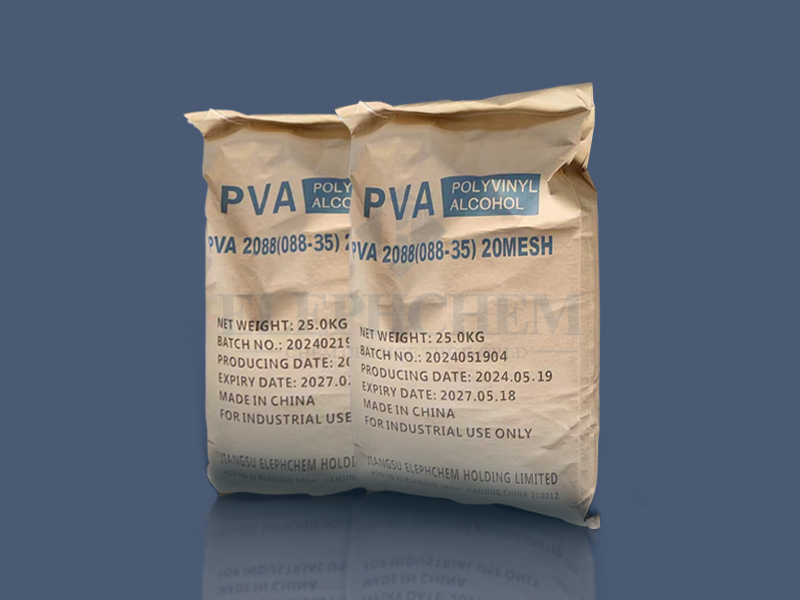
  • PVA 088-35 & PVA 2088

    Sifat umumNama Kimia:Polivinil AlkoholSinonim:PVANomor CAS:9002-89-5Rumus Molekul:(C2H4O)nTitik nyala:79℃Kelarutan dalam air: Larut dalam air panas Data TeknisJudul Standar Baru088-35TuaJudul Standar20-88Hidrolisis (mol/%)86,5~88,5Viskositas (mPa.s)29.0~34.0Volatil (wt%)≤5Abu (berat%)≤0,3pH5-7Kemurnian (wt%)≥93,5 Aplikasi:1. Industri tekstil: pasta tekstil, bahan finishing kain, bahan baku serat vinilon;2. Industri dekorasi bangunan: pelapis dinding interior dan eksterior, perekat;3. Industri kimia: pengemulsi polimer, pendispersi dan polivinil formaldehida, asetal, resin butiral;4. Industri kertas: perekat kertas;5. Pertanian: bahan perbaikan tanah, sinergis peningkat daya rekat pestisida, dan film polivinil alkohol;6. Ini juga dapat digunakan dalam kehidupan sehari-hari.obat-obatan dan kosmetik. Paket:Kemasan: 20 kg/karung, 25 kg/karung. Penyimpanan:Di ruangan yang kering dan berventilasi baik, dengan suhu ruangan sekitar 5-30°C.Jauhkan dari sumber panas, jauhkan dari kelembapan, dan hindari paparan sinar matahari.Dilarang keras menyimpan produk ini bersamaan dengan bahan kimia yang mudah menguap untuk mencegah penyerapan dan kerusakan.

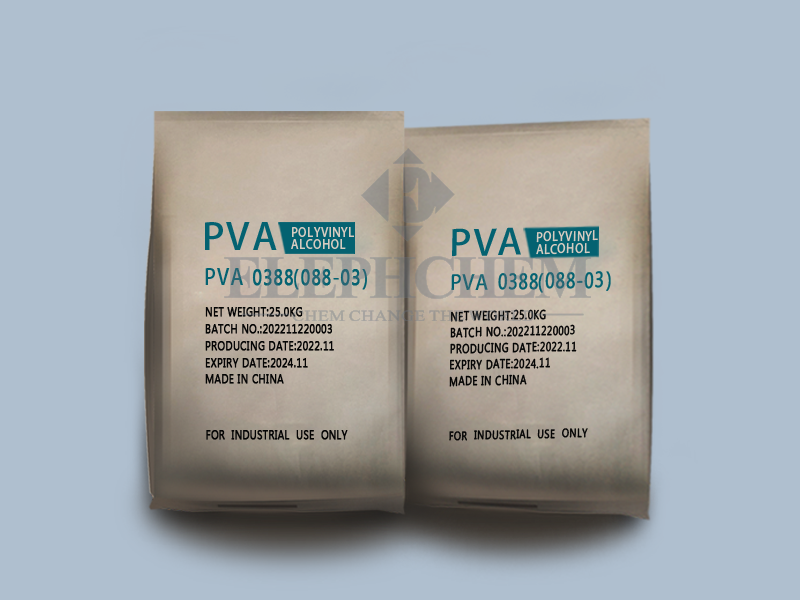
  • PVA 088-03 & PVA 0388

    Sifat umumNama Kimia:Polivinil AlkoholSinonim:PVANomor CAS:9002-89-5Rumus Molekul:(C2H4O)nTitik nyala:79℃Kelarutan dalam air: Larut dalam air panas Data TeknisJudul Standar Baru088-03Judul Standar Lama03-88Hidrolisis (mol/%)86,5-88,5Viskositas (mPa.s)3.0-4.0Volatil (wt%)≤5Abu (berat%)≤0,5pH5-7Kemurnian (berat%)≥93,0 Aplikasi:1. Industri tekstil: pasta tekstil, bahan finishing kain, bahan baku serat vinilon;2. Industri dekorasi bangunan: pelapis dinding interior dan eksterior, perekat;3. Industri kimia: pengemulsi polimer, pendispersi dan polivinil formaldehida, asetal, resin butiral;4. Industri kertas: perekat kertas;5. Pertanian: bahan perbaikan tanah, sinergis peningkat daya rekat pestisida, dan film polivinil alkohol;6. Bahan ini juga dapat digunakan dalam pengobatan sehari-hari dan kosmetik. Paket:Kemasan: 20 kg/karung, 25 kg/karung. Penyimpanan:Di ruangan yang kering dan berventilasi baik, dengan suhu ruangan sekitar 5-30°C.Jauhkan dari sumber panas, jauhkan dari kelembapan, dan hindari paparan sinar matahari.Dilarang keras menyimpan produk ini bersamaan dengan bahan kimia yang mudah menguap untuk mencegah penyerapan dan kerusakan.

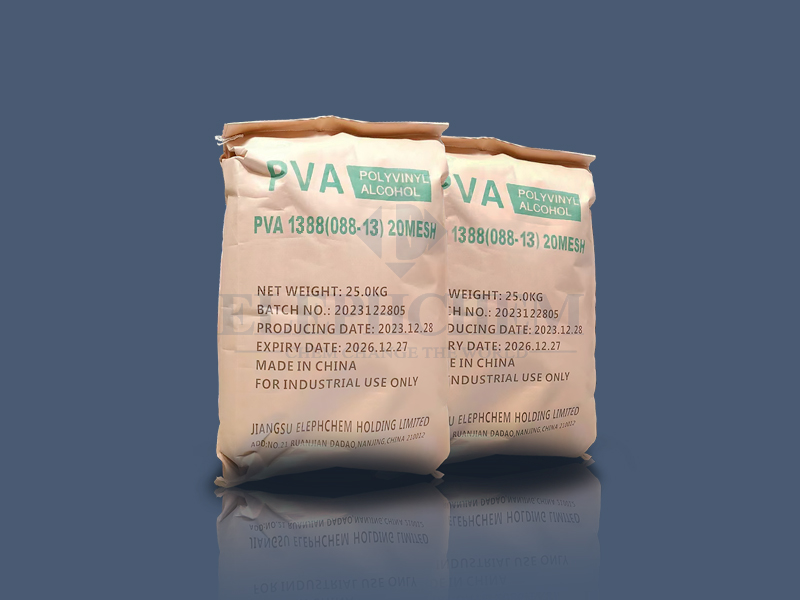
  • PVA 088-13 & PVA 1388

    Sifat umumNama Kimia:Polivinil AlkoholSinonim:PVANomor CAS:9002-89-5Rumus Molekul:(C2H4O)nTitik nyala:79℃Kelarutan dalam air: Larut dalam air panas Data TeknisJudul Standar Baru088-13Judul Standar Lama13-88Hidrolisis (mol/%)86,5~88,5Viskositas (mPa.s)12.0~14.0Volatil (wt%)≤5Abu (berat%)≤0,5pH5-7Kemurnian (wt%)≥93,5 Aplikasi:1. Industri tekstil: pasta tekstil, bahan finishing kain, bahan baku serat vinilon;2. Industri dekorasi bangunan: pelapis dinding interior dan eksterior, perekat;3. Industri kimia: pengemulsi polimer, pendispersi dan polivinil formaldehida, asetal, resin butiral;4. Industri kertas: perekat kertas;5. Pertanian: bahan perbaikan tanah, sinergis peningkat daya rekat pestisida, dan film polivinil alkohol;6. Ini juga dapat digunakan dalam kehidupan sehari-hari.obat-obatan dan kosmetik. Paket:Kemasan: 20 kg/karung, 25 kg/karung. Penyimpanan:Di ruangan yang kering dan berventilasi baik, dengan suhu ruangan sekitar 5-30°C.Jauhkan dari sumber panas, jauhkan dari kelembapan, dan hindari paparan sinar matahari.Dilarang keras menyimpan produk ini bersamaan dengan bahan kimia yang mudah menguap untuk mencegah penyerapan dan kerusakan.

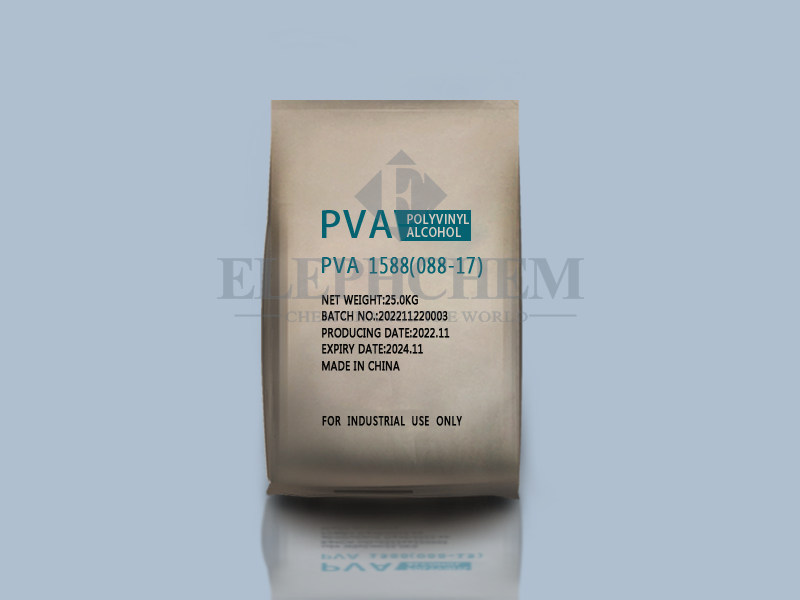
  • PVA 1588 088-17 Polivinil Alkohol Larut dalam Air Dingin

    Sifat umumNama Kimia:Polivinil AlkoholSinonim:PVANomor CAS:9002-89-5Rumus Molekul:(C2H4O)nTitik nyala:79℃Kelarutan dalam air: Larut dalam air panas Data Teknis:Judul Standar Baru088-17TuaJudul Standar15-88Hidrolisis (mol/%)86,5~88,5Viskositas (mPa.s)15.0~19.0Volatil (wt%)≤5Abu (berat%)≤0,5pH5-7Kemurnian (wt%)≥93,5 Aplikasi:1. Industri tekstil: pasta tekstil, bahan finishing kain, bahan baku serat vinilon;2. Industri dekorasi bangunan: pelapis dinding interior dan eksterior, perekat;3. Industri kimia: pengemulsi polimer, pendispersi dan polivinil formaldehida, asetal, resin butiral;4. Industri kertas: perekat kertas;5. Pertanian: bahan perbaikan tanah, sinergis peningkat daya rekat pestisida, dan film polivinil alkohol;6. Ini juga dapat digunakan dalam kehidupan sehari-hari.obat-obatan dan kosmetik. Paket:Kemasan: 20 kg/karung, 25 kg/karung. Penyimpanan:Di ruangan yang kering dan berventilasi baik, dengan suhu ruangan sekitar 5-30°C.Jauhkan dari sumber panas, jauhkan dari kelembapan, dan hindari paparan sinar matahari.Dilarang keras menyimpan produk ini bersamaan dengan bahan kimia yang mudah menguap untuk mencegah penyerapan dan kerusakan.

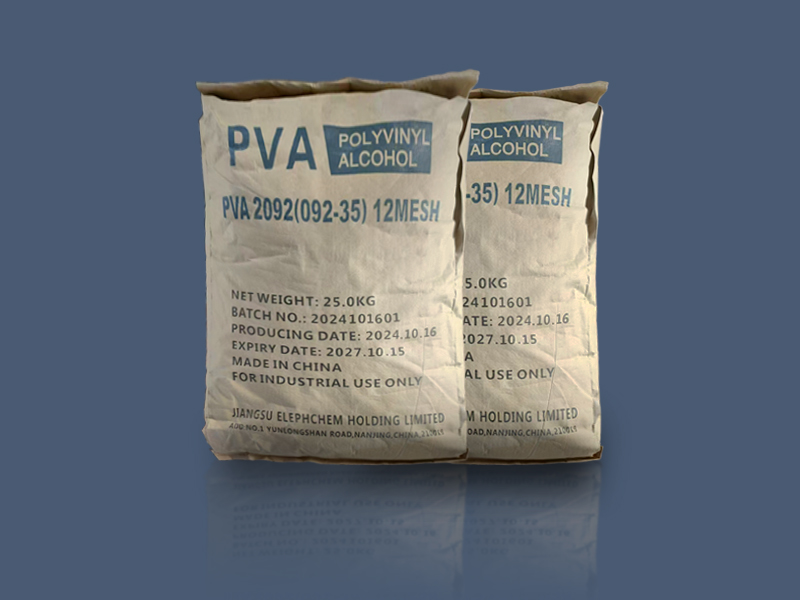
  • PVA 092-35 & PVA 2092

    Sifat umum Nama Kimia:Polivinil Alkohol Sinonim:PVA Nomor CAS:9002-89-5 Rumus Molekul:(C2H4O)n Titik nyala:79℃ Kelarutan dalam air: Larut dalam air panas   Data Teknis 092-35 Judul Standar Baru 092-35 TuaJudul Standar 20-92 Hidrolisis (mol/%) 91.0~93.0 Viskositas (mPa.s) 30.0~36.0 Volatil (wt%) ≤5 Abu (berat%) ≤0,5 pH 5-7 Kemurnian (wt%) ≥93,5   Aplikasi: 1. Industri tekstil: pasta tekstil, bahan finishing kain, bahan baku serat vinilon; 2. Industri dekorasi bangunan: pelapis dinding interior dan eksterior, perekat; 3. Industri kimia: pengemulsi polimer, pendispersi dan polivinil formaldehida, asetal, resin butiral; 4. Industri kertas: perekat kertas; 5. Pertanian: bahan perbaikan tanah, sinergis peningkat daya rekat pestisida, dan film polivinil alkohol; 6. Bahan ini juga dapat digunakan dalam pengobatan sehari-hari dan kosmetik.   Paket: Kemasan: 20 kg/karung, 25 kg/karung.   Penyimpanan: Di ruangan yang kering dan berventilasi baik, dengan suhu ruangan sekitar 5-30°C. Jauhkan dari sumber panas, jauhkan dari kelembapan, dan hindari paparan sinar matahari. Dilarang keras menyimpan produk ini bersamaan dengan bahan kimia yang mudah menguap untuk mencegah penyerapan dan kerusakan.  

BERITA TERBARU

  • Analysis of the Impact of the Middle East Conflict on Supply Chains
    Analysis of the Impact of the Middle East Conflict on Supply Chains

    In the first quarter of 2026, the US-Israel-Iraq war rapidly impacted the sustainability of global supply chains. Disruptions to shipping through the Strait of Hormuz, coupled with damage to energy infrastructure, drove a significant increase in international oil prices and shipping costs, spreading globally along the "energy, logistics, raw materials, and manufacturing" chain, creating imported inflation and output contraction pressures.     China, as the world's largest manufacturing nation and energy importer, was directly impacted. On the one hand, supply contraction in the Middle East pushed up industrial product costs and squeezed corporate profits; on the other hand, shortages of petrochemical raw materials, unstable supply of key materials, and disruptions to logistics transit triggered production cuts and supply disruptions in industries such as chemicals and automobiles. Simultaneously, disruptions to Middle Eastern shipping and air transport hubs hampered trade and investment links between China and the Middle East. International oil prices continued their sharp rise, and domestic crude oil futures contracts also strengthened significantly. The United Nations and the international community strongly condemned the unilateral military actions of the US and Israel, urgently calling on all parties to immediately cease fire and return to diplomatic negotiations to prevent a complete deterioration of the situation. While OPEC+ is studying potential production increase plans, it is maintaining its existing production cuts. Short-term capacity increases are unlikely to compensate for the supply gap in Middle Eastern crude oil. Geopolitical risk premiums remain high, leading to significantly increased price volatility in the global energy and chemical sector.   Iran is a key node in the global energy commodity supply chain and a core source of my country's crude oil and energy raw materials imports. Its geopolitical position directly determines the global supply and demand balance and price trends of energy and related energy products. Its core strategic value is reflected in two dimensions: Globally: In 2025, Iran's crude oil production is projected at 3.3 million barrels per day, accounting for 3.3% of global production, and its seaborne exports account for 4% of global seaborne trade. In 2025, its LPG exports are projected at approximately 10 million tons, accounting for 7% of global LPG trade, making it the world's fourth-largest LPG exporter. Its natural gas production accounts for 6.4% of global production, making it the world's third-largest natural gas producer, after the United States and Russia. Simultaneously, the Middle East controls the Strait of Hormuz, a vital waterway for 20%-25% of global crude oil seaborne trade, 30% of LPG trade, and 20% of LNG trade. Energy exports from Persian Gulf countries like Saudi Arabia and Iraq rely on this waterway, and its safe passage directly impacts the stability of the global energy supply chain.   At the Chinese level: In 2024-2025, my country imported 1.38 million barrels of crude oil per day from Iran, accounting for 13.4% of total seaborne oil imports. Over 80% of Iran's crude oil exports flow to my country. Its LPG, iron ore, and copper ore continuously supply my country's chemical, steel, and non-ferrous metal industries. The methanol, MTO, and PX industries in South and East China are highly dependent on low-priced Iranian oil and gas feedstocks, directly influencing the cost center and price trends of related domestic products.   As a major supplier of polyethylene and other petrochemical products, the Middle East's export disruptions via the Strait of Hormuz have led to a tightening of global supply. At the same time, production stoppages and raw material shortages in Asia have also driven up prices throughout the plastics industry chain and Vinyl Acetate Monomer (VAM). This dynamic is driving demand for US-produced polyethylene. U.S. polyethylene producers are increasing their purchases of ethylene, a key feedstock, indicating that manufacturers are scrambling to seize export opportunities as global supply tightens.     Ethylene prices along the U.S. Gulf Coast are also rising as manufacturers stockpile raw materials. On Wednesday, at the Montpellier Bellevue hub in Texas, spot ethylene was trading at 30.25 cents per pound. This price rose further from about 27 cents on Monday, which had already reached a one-year high. The increase in ethylene prices, a core feedstock for the ethylene-based production process, has driven up prices for vinyl acetate, PVA, and other related products. Jiangsu ElephChem Holding Limited, with a 130,000-ton Polyvinyl Alcohol (PVA) production capacity using the calcium carbide-acetylene process, has ample feedstock supply and relatively stable prices, leading to a widening price spread. Overseas PVA production capacity is mainly based on the petroleum-based ethylene process, making it highly susceptible to ethylene supply and prices; however, China polyvinyl alcohol export demand is expected to increase.   Website: www.elephchem.com whatsapp: (+)86 13851435272 E-mail: admin@elephchem.com

    March 30, 2026
  • The World's Most Severe Oil Supply Disruption Ever: Impacting Ethylene and Key Downstream Industry Supply Chains
    The World's Most Severe Oil Supply Disruption Ever: Impacting Ethylene and Key Downstream Industry Supply Chains

    On March 12, the International Energy Agency (IEA) stated in its latest monthly report that the global oil market is facing the most severe supply disruption in history due to the ongoing conflict in the Middle East. With shipping through the Strait of Hormuz nearly disrupted and storage facilities nearing capacity, Gulf states have been forced to cut oil production by at least 10 million barrels per day, and over 3 million barrels per day of refining capacity has been shut down.     Before the conflict, approximately 20 million barrels of crude oil and petroleum products were transported through the Strait of Hormuz; now, this figure has plummeted to negligible levels. The report states that if shipping does not resume soon, the global crude oil supply gap will widen further. The report projects a reduction of 8 million barrels per day in global oil supply in March, with over 4 million barrels per day of refining capacity at risk. The diesel and jet fuel markets are particularly vulnerable due to blocked exports. The report also points out that insufficient available feedstock will restrict production in other regions, potentially leading to supply shortages as late as 2026. In 2025, Gulf producers exported 3.3 million barrels of refined petroleum products and 1.5 million barrels of liquefied petroleum gas (LPG) per day.   The report shows that while increased production in non-OPEC+ countries like Kazakhstan and Russia has eased supply tensions, this improvement is insufficient to fully offset the pressures facing the global market. The International Energy Agency (IEA) projects that global oil supply will increase by 1.1 million barrels per day in 2026. This growth is primarily driven by increased production from non-OPEC+ countries. However, it should be noted that the extent of the reduction in oil supply depends on the duration of the conflict and the degree of disruption to trade flows.   The report predicts that flight cancellations and LPG supply disruptions in the Middle East will reduce oil demand by 1 million barrels per day in March and April compared to previous forecasts. The military conflict in Iran and its surrounding regions has not only shaken the global energy market but has also significantly impacted the international ethylene industry and its entire supply chain. Its negative effects are spreading from upstream oil, along core intermediates such as ethylene and VAM (Vinyl Acetate Monomer), and further downstream to fine chemicals such as VAE emulsions. From Europe to Asia, soaring raw material costs and the risk of supply chain disruptions are causing widespread concern in the industry.   Global Ethylene Supply Chain Crisis Tensions in Iran are directly impacting the global ethylene supply chain. As the Middle East's second-largest ethylene producer, Iran has a capacity of approximately 7.88 million tons, accounting for 23% of the region's total. Disruptions to this scale of production directly push up the global cost center for chemical products. The Strait of Hormuz, a crucial global energy shipping chokepoint, handles approximately 20% of global crude oil seaborne trade and a significant proportion of chemical shipments. With Iran's announcement of the strait's closure, concerns about logistical disruptions immediately translated into a market risk premium.   Approximately 11% to 15% of global ethylene and polyethylene supply is directly affected by this conflict, and related chemical prices have already begun to rise. In Europe, March ethylene monthly contract negotiations stalled due to soaring oil prices, with the initially expected increase of €35/ton quickly replaced by expectations of €50-60/ton, reflecting widespread market concerns about supply disruptions. Asian markets also reacted sharply, with naphtha prices surging to multi-month highs. Domestic polyolefin (PP/PE) futures prices in China followed suit, with the spot market shifting from routine restocking to defensive stockpiling.     Downstream supply chains are under pressure This crisis is rapidly spreading along the oil → ethylene → VAM → VAE supply chain. Due to extremely tight ethylene supply, VAM (vinyl acetate monomer) production is directly constrained by raw material shortages, and its market price is facing the risk of soaring. As the core downstream product of VAM, the supply chain stability of VAE (vinyl acetate-ethylene copolymer emulsion) has been severely impacted. The industry generally expects that as VAM costs are passed on, VAE emulsion prices will inevitably rise. However, against the backdrop of widespread industry-wide operating restrictions and a significant reduction in expected VAE output due to insufficient VAM supply, JiangSu ElephChem Holding Limited is able to provide a stable supply of VAM and downstream VAE products.   Website: www.elephchem.com whatsapp: (+)86 13851435272 E-mail: admin@elephchem.com

    March 17, 2026
  • February Petroleum and Chemical Industry Prosperity Index
    February Petroleum and Chemical Industry Prosperity Index

    1. Overview of the Petroleum and Chemical Industry Prosperity Index The business climate index for the oil and gas extraction industry was 85.99, a decrease of 12.36 percentage points month-on-month. In the past two months, influenced by geopolitical tensions, crude oil prices have continued to rise. However, current crude oil prices carry a significant risk premium, coupled with the previous six-month period of "price decline and profit shrinkage," leading companies to question the sustainability of the crude oil price recovery and maintain a cautious production decision. Changes in inventory turnover reflect the end of the phased destocking in January. With rising crude oil prices, companies may be holding onto inventory in anticipation of further price increases, and coupled with the approaching Spring Festival, downstream demand is expected to decrease, resulting in a slowdown in inventory reduction.  The business climate index for the fuel processing industry was 102.18, a decrease of 1.94 percentage points month-on-month. The fuel processing industry exhibits slight differences among products. Diesel end-user consumption hit a new low for the traditional annual trough, highlighting the imbalance between supply and demand. While gasoline demand was supported by short-term travel during the Spring Festival holiday, it quickly declined afterward.  The prosperity index for the chemical raw materials and chemical products manufacturing industry was 105.63, a decrease of 1.71 percentage points month-on-month. The moderate recovery in upstream crude oil prices has not yet pushed up raw material costs, and downstream chemical product prices remain relatively firm, maintaining profit margins. However, production activity decreased due to plant shutdowns and maintenance during the Spring Festival holiday, and downstream new purchases decreased, resulting in an accumulation of finished product inventory and a decline in the industry's prosperity index.  The manufacturing prosperity index for rubber, plastics, and other polymer products was 107.35, a decrease of 3.54 percentage points month-on-month. In January, the industry's prosperity rose due to both raw material cost advantages and seasonal stockpiling demand. However, in early February, downstream stockpiling slowed as the Spring Festival approached, and post-holiday demand recovery was slow in the latter half of the month. Reduced new orders led to increased inventory, causing the industry prosperity index to decline. Currently, the industry is in a phase of inventory digestion, and its future prosperity will depend on the recovery of domestic and international demand.       2. Hotspot Analysis and Future Outlook 2.1 Escalating Geopolitical Tensions in the Middle East and Rising Crude Oil Prices In February, geopolitical tensions in the Middle East escalated sharply, becoming the main driver of rising crude oil prices. On February 28, the United States and Israel launched airstrikes on Tehran, the capital of Iran, and the Iranian Islamic Revolutionary Guard Corps subsequently announced the closure of the Strait of Hormuz, a vital global oil transportation route. This event marked a shift from "trade expectation" to "trade reality" in geopolitical conflict, triggering serious market concerns about disruptions to crude oil supply. As a result, oil prices rose rapidly, and the geopolitical risk premium increased significantly. It is estimated that current oil prices already include a risk premium of approximately $8-10 per barrel. Furthermore, a significant proportion of petrochemical products such as Polyvinyl Alcohol (PVA), Polyvinyl Butyral Resin (PVB), and fuel oil are transported through the Strait of Hormuz annually; the continuation of the conflict will inevitably affect the prices of these related products. 2.2 Sluggish Production, Strong Consumption, and Slow Inventory Replenishment This year, benefiting from the longest Spring Festival holiday in history, cross-regional travel demand for family visits and tourism was concentrated, leading to frequent highway traffic peaks and directly boosting gasoline consumption. However, in stark contrast to the surge in residential travel, industrial and infrastructure production activities generally slowed down during the Spring Festival, with diesel consumption entering its traditional annual low period. Daily consumption declined significantly compared to the previous period, and refinery and social inventory pressures continued to increase.  During the Spring Festival consumer market, sales of home appliances and 3C digital products were brisk, providing a temporary boost to demand for related petrochemical raw materials in the upstream rubber, plastics, and other polymer product manufacturing industries, improving industry expectations for post-holiday market performance. However, with the end of the holiday, restocking intentions weakened, and terminal distributors generally entered a destocking cycle, leading to a marginal slowdown in new orders for petrochemical companies. Overall, February was characterized by hot travel, sluggish production, strong consumption, and slow restocking, clearly demonstrating the inherent logic of differentiation within the petrochemical industry and a general correction in its overall prosperity.   3. Outlook for the Oil and Chemical Industry In March 2026, the oil and chemical industry will continue to be affected by macroeconomic factors, costs, and demand. On the macro level, the National People's Congress and the Chinese People's Political Consultative Conference (NPC and CPPCC) will release a series of policy signals, pointing the way for market trends in 2026. Regarding crude oil prices, if the geopolitical tensions in the Middle East do not ease and the Strait of Hormuz remains closed, crude oil risk premiums and high volatility are expected to continue in March, potentially leading to further price increases. On the demand side, the resumption of work and production in downstream industries after the Spring Festival was slow, and rising crude oil prices further squeezed the profits of the petrochemical industry. End-user companies maintained only essential purchases and lacked the motivation for concentrated restocking. Whether the previous restocking demand from midstream and downstream industries based on cost advantages can be successfully converted into end-user consumption, and whether the traditional peak season of "Golden March and Silver April" can arrive as scheduled, are key to the recovery of the industry's prosperity. Based on a comprehensive assessment of historical seasonal patterns and current data, the petrochemical industry prosperity index is expected to show a downward trend in March.   Website: www.elephchem.com Whatsapp: (+)86 13851435272 E-mail: admin@elephchem.com

    March 02, 2026
  • Merayakan Inovasi dan Tradisi: Selamat Tahun Baru Imlek dari ElephChem
    Merayakan Inovasi dan Tradisi: Selamat Tahun Baru Imlek dari ElephChem

     Sambut Tahun Baru bersama JiangSu ElephChem Holding Limited! Seiring dengan warna-warna cerah Festival Musim Semi yang mulai menerangi jalanan dan semangat pembaharuan yang memenuhi udara, Jiangsu ElephChem Holding Limited menyampaikan salam hangat dan harapan tulus kami kepada para mitra, klien, dan karyawan kami yang berdedikasi di seluruh dunia.Tahun Baru Imlek, juga dikenal sebagai Festival Musim Semi, adalah hari raya tradisional terpenting dalam budaya Tiongkok—waktu untuk berkumpul kembali bersama keluarga, merenungkan pencapaian tahun lalu, dan menetapkan tujuan ambisius untuk masa depan.  Merefleksikan PertumbuhanTahun lalu merupakan perjalanan "Mengubah Dunia Melalui Kimia." Melalui inovasi yang berkelanjutan dan komitmen terhadap keunggulan dalam industri kimia, ElephChem telah mencapai tonggak sejarah baru. Keberhasilan ini kami raih berkat kepercayaan yang tak tergoyahkan dari klien internasional kami dan kerja keras seluruh tim kami.   Semangat KudaSejalan dengan semangat perayaan (dan citra megah kuda yang melambangkan kecepatan, kekuatan, dan kesuksesan), kami berharap dapat "berlari kencang" memasuki tahun baru dengan momentum yang lebih besar. Kami tetap berdedikasi untuk menyediakan solusi kimia berkualitas tinggi dan mendorong pembangunan berkelanjutan di seluruh dunia.  Melihat ke DepanSemoga Tahun Baru Imlek membawa kebahagiaan, kemakmuran, dan kesehatan yang tak terbatas bagi Anda dan orang-orang terkasih. Mari kita terus bekerja sama untuk menciptakan masa depan yang lebih cerah dan inovatif melalui kekuatan kimia.  Pemberitahuan Hari LiburAgar tim kami dapat merayakan momen berharga ini bersama keluarga mereka, mohon perhatikan jadwal liburan kami:Periode Liburan: 15 Februari hingga 23 FebruariRingkasan Bisnis: 24 Februari  Selamat Tahun Baru Imlek!Semoga Anda meraih banyak prestasi dan keberlimpahan di tahun ini! Situs web: www.elephchem.comWhatsapp: (+)86 13851435272Email: admin@elephchem.com

    February 10, 2026
JiangSu ElephChem Holding Limited adalah pakar pasar mapan dalam Polivinil Alkohol (PVA) dan Emulsi Kopolimer Vinil Asetat–etilen (VAE) dengan pengakuan kuat dan fasilitas pabrik luar biasa berstandar internasional.
Tinggalkan pesan

Rumah

Produk

ada apa

Hubungi kami