
Styrene-Isoprene-Styrene (SIS) is a thermoplastic elastomer composed of styrene and isoprene blocks. It combines the strength and physical crosslinking of polystyrene end blocks with the flexibility and elasticity of polyisoprene midblocks. Due to its exceptional properties, SIS is widely utilized across various industries, demonstrating indispensable advantages, particularly in fields such as adhesives, automotive manufacturing, and building materials.
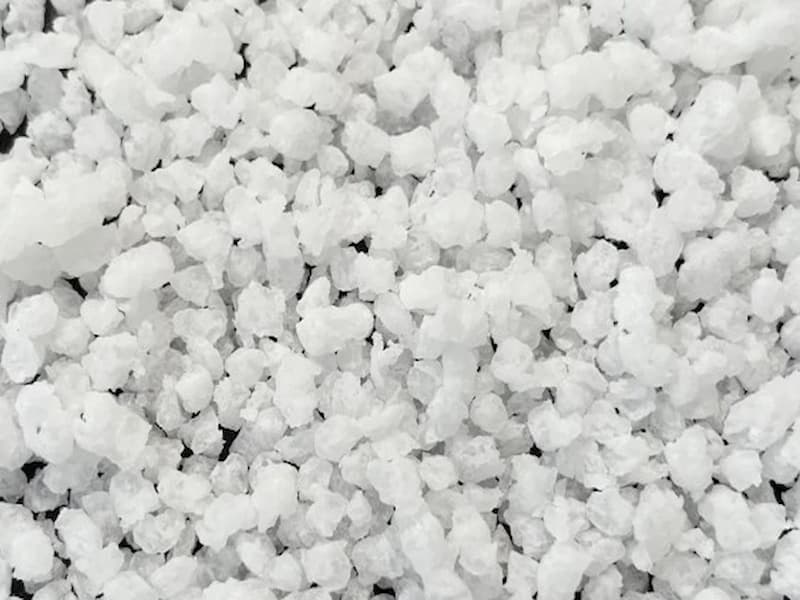
1. What is SIS? Chemical Structure & Key Properties
SIS is a thermoplastic block copolymer consisting of hard polystyrene (PS) end-blocks and a soft polyisoprene (PI) mid-block. Chemically represented as PS-PI-PS, its unique molecular architecture gives it a rare dual personality:
2. Advantages of SIS Material
Excellent Elasticity and Flexibility
SIS exhibits outstanding elasticity and flexibility, maintaining exceptional elongation even in low-temperature environments to adapt to a wide range of operating conditions. Its inherently soft nature allows it to be processed via conventional thermoplastic techniques without requiring excessive heat, thereby preventing unnecessary energy consumption during manufacturing.
Good Weatherability
Thanks to its copolymerized structure of styrene and isoprene, SIS possesses strong resistance to UV radiation, oxygen, and other environmental factors, maintaining stable performance even under extreme weather conditions. As a result, SIS is widely used in outdoor applications, particularly within the construction and automotive industries.
Thermal Resistance and Processability
SIS offers good heat resistance, retaining stable physical properties under elevated temperatures. Meanwhile, SIS features excellent processability and can be readily molded into various shapes and products using conventional methods such as extrusion and injection molding.
Low-Temperature Flexibility
At sub-zero temperatures, the performance of SIS remains virtually unaffected, making it exceptionally well-suited for cold-climate applications. It retains its flexibility and elasticity without suffering from brittleness or cracking, which drives steadily growing demand in colder northern regions.
Superior Adhesion Performance
The unique molecular architecture of SIS imparts exceptional bonding ability, making it particularly effective at adhering to a diverse range of substrates, including metals, plastics, and paper.
3. Main Application of SIS
Adhesives
One of the most extensive application areas for SIS is adhesives. It is especially suitable for products with stringent demands for high elasticity, durability, and temperature tolerance—such as bonding materials in the automotive industry, sealants in construction, and conductive adhesives in electronic products.
Automotive Industry
In automotive manufacturing, SIS is utilized in components such as seals, window weatherstripping, and soundproofing materials, where it effectively dampens vibrations, reduces noise, and prevents water ingress.
Construction Materials
Within the construction sector, SIS is widely applied in waterproofing membranes, hot melt adhesives, and elastomeric coatings. Particularly in building structures like roofs and walls, SIS effectively prevents moisture penetration and extends the overall service life of the building.
Coatings and Paints
As an excellent film-forming material, SIS enhances the flexibility and adhesion of coatings while improving film durability and UV resistance. Consequently, SIS is extensively used across automotive coatings, architectural paints, wood finishes, and industrial coatings.
Packaging Materials
In the packaging industry, SIS is frequently employed as a key functional component in heat-sealable films, shrink wraps, and specialty packaging materials. Its superior adhesion and flexibility ensure a dependable seal during processing, safeguarding the integrity and security of the packaged goods.
Appendix: SIS Application & Recommended Grades Guide (Part)
| Industrial Application | Key Requirements | Recommended Grades |
| Adhesives | High initial tack, low viscosity, balance of SI/SIS. |
Kraton D1161 |
| Automotive & Construction | High cohesion, strong shear strength, elevated heat resistance |
Sinopec SIS YH-1716 Kraton D1165 |
| Coatings & Packaging | Excellent film-forming, strong substrate adhesion, good flexibility |
Vector 4113 |
Website: www.elephchem.com
whatsapp: (+)86 13851435272
E-mail: admin@elephchem.com



 Jaringan IPv6 didukung